Common Waterproofing Errors Campers Make
There is nothing fairly like getting up in the middle of the night to locate your sleeping bag soaked through, your gear soaked, and your tent floor pooling with water. A single waterproofing error can turn a desire camping journey into an unpleasant survival workout. Fortunately is that a lot of these mistakes are completely avoidable. Here is a check out one of the most usual waterproofing mistakes campers make-- and exactly how to remain completely dry on your following journey.
Relying upon "Water Resistant" Labels Without Testing First
Just because an outdoor tents, jacket, or backpack is marketed as water resistant does not imply it will carry out faultlessly straight out of the box-- or after a period of use. Many campers make the error of trusting the label without ever before field-testing their gear prior to a trip.
Water resistant rankings, measured in millimeters of hydrostatic head, tell you how much water stress a material can stand up to before it leaks. A ranking of 1,500 mm may be great for light drizzle but will fall short in a hefty rainstorm. Always test your equipment at home with a yard hose prior to depending on it in the backcountry. Spray it down, use pressure, and try to find any seepage.
Avoiding Joint Securing
This is just one of the most overlooked waterproofing steps, particularly amongst more recent campers. Also tents ranked for hefty rain can leak throughout their seams if those joints are not appropriately sealed. The stitching that holds tent panels together produces little holes-- and water locates each of them.
What to Do Rather
Apply seam sealant to all interior seams of your tent before your journey. Products like silicone-based sealants or polyurethane sealers are commonly offered and easy to use. Check the joints after each period, as the sealer can crack and wear over time. Numerous spending plan tents do not come factory-sealed whatsoever, making this step absolutely important.
Failing To Remember to Re-Treat DWR Coatings
Many waterproof coats and rain gear rely on a Durable Water Repellent (DWR) layer to make water grain off the surface. Over time and with duplicated washing, this coating wears down. When it falls short, water no longer grains-- it fills the outer fabric, which dramatically reduces breathability and at some point triggers the coat to feel cool and clammy even if the interior membrane layer is still intact.
Campers often criticize the jacket itself when the actual perpetrator is a depleted DWR covering. Luckily, restoring it is easy. Clean your gear with a technological cleaner, then apply a spray-on or wash-in DWR treatment and trigger it with a low-heat tumble completely dry or a cozy iron. Do this when a season or whenever you see water no barebones field hatchet review longer beading on the surface.
Pitching a Tent Without a Footprint or Ground Cloth
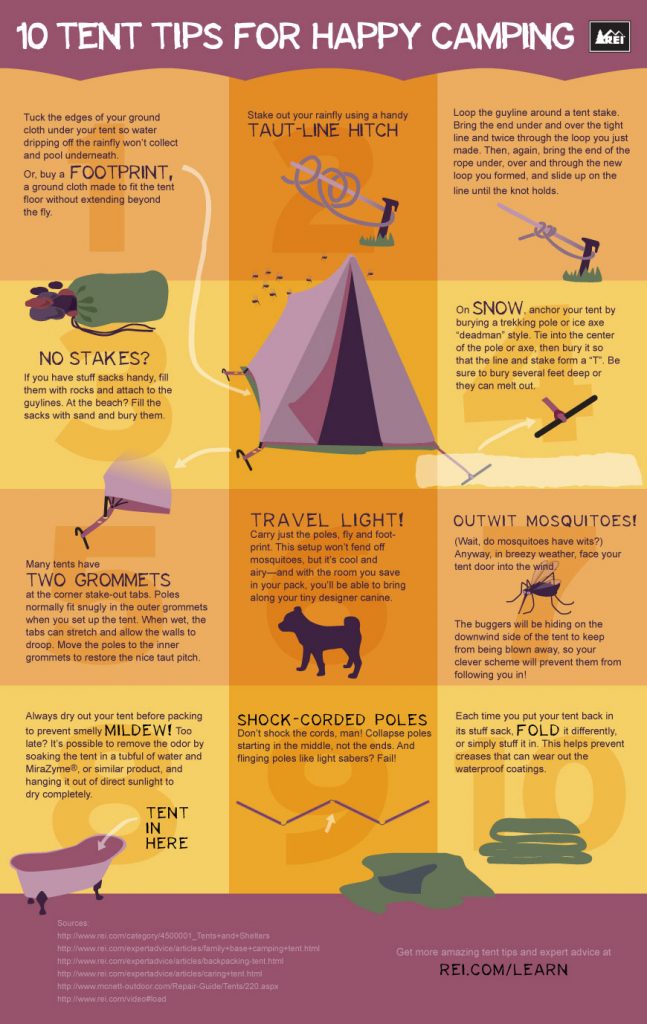
The ground beneath your outdoor tents is equally as much of a waterproofing problem as the rainfall dropping from over. Rocky or damp soil can abrade the outdoor tents flooring over time, weakening its waterproof finishing. In damp problems, groundwater can leak directly with an abject floor.
Selecting the Right Ground Defense
A tent impact-- a shaped ground cloth that matches your tent's floor-- acts as an obstacle between the camping tent and the planet. If you use a generic tarpaulin instead, make certain it does not prolong beyond the outdoor tents's edges. A tarpaulin that stands out will certainly funnel rain beneath your outdoor tents instead of away from it, which is worse than making use of no ground cloth in all.
Not Waterproofing Backpacks and Equipment Inside the Pack
Lots of campers think a rain cover for their backpack suffices. It is not. Rainfall covers can slip, blow off, or let water in from all-time low. In a continual rainstorm, moisture will discover its means inside.
The smarter technique is to waterproof from the inside out. Use a sturdy pack lining or dry bag inside your backpack to shield your resting bag, clothing, and electronic devices. Load individual products-- especially anything vital-- in smaller sized dry bags or zip-lock bags as an additional layer of security.
Overlooking Site Option
Also the very best waterproofing equipment can not make up for a poorly picked camping area. Pitching your tent in a low-lying location, an all-natural depression, or directly downhill from a slope channels water right toward you when it rains. Always seek somewhat raised, level ground with natural water drainage.
All-time Low Line
Staying completely dry in the outdoors is not almost comfort-- it is a safety concern. Wet gear loses insulating worth, and hypothermia can set in even in light temperatures. A little prep work prior to you leave home, from seam sealing to DWR therapies to wise site selection, can make all the distinction in between a great journey and a dangerous one. Do not allow avoidable errors ruin your time in the wild.